

 By Carole Dennett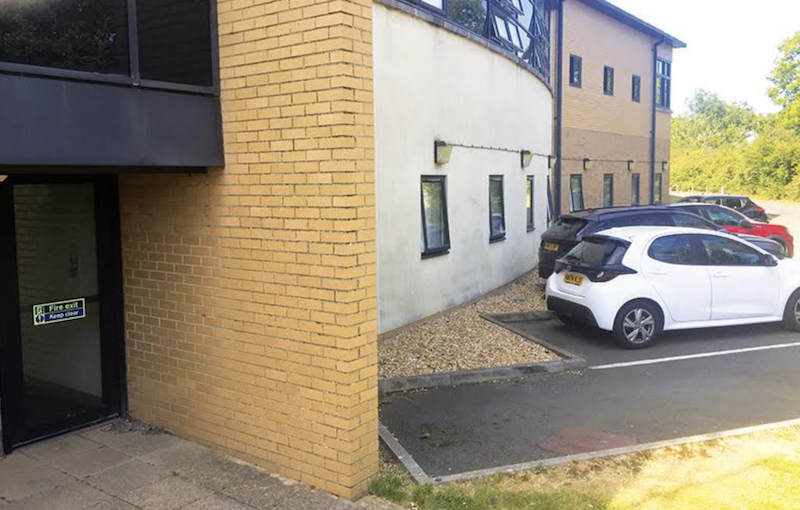

Hampshire & Isle of Wight Healthcare NHS Foundation Trust has been rated ‘requires improvement’, following its first Care Quality Commission (CQC) inspection since the merger of four separate trusts that created the organisation in October 2024. The Trust, which now oversees all community and mental health services across Hampshire and the Isle of Wight, employs around 13,000 staff and operates more than 500 sites. Inspectors visited sites in November 2025, including Sevenacres, and reviewed board papers, governance systems, and feedback from staff, patients and carers.
The report highlights significant work to bring the separate organisations together, with a commitment to compassionate leadership and a new strategy for 2025–2030. Staff across the trust, including those on the Island, were praised for their “clear passion to deliver good quality care.” “Lived experience” leaders have been appointed, and the Freedom to Speak Up team was described as positive, and well known among staff.
However, inspectors found a number of serious cultural and leadership challenges. Frontline staff reported inconsistent local leadership, and said senior leaders were not always visible. Governance systems were still bedding in, with overlapping responsibilities and no target dates for key actions. Equality, diversity, and inclusion work was described as being “in its infancy,” with many staff reporting limited promotion opportunities.
Serena Coleman, CQC’s deputy director of mental health in the south, said the transformation “hadn’t fully embedded, or reached frontline services, and this was impacting staff morale,” adding that almost 20 per cent of staff were reluctant to raise concerns because they feared nothing would be done or worried about retribution.
Inspectors also found learning from safety incidents was not always shared quickly enough. Some acute mental health staff felt safety concerns were overlooked, and that unsafe admissions were affecting staff wellbeing and other patients. Incompatible electronic systems were used, creating risks that important clinical information could be lost and making training difficult.
Feedback gathered through Mental Health Act monitoring visits was positive, with people saying staff “went above and beyond to help them.” Carers also praised communication and involvement in care planning, though staffing changes sometimes affected continuity of care.
The trust aims to reduce health inequalities across the two counties. Inspectors noted early progress, but said data was limited as the organisation continues to transition from its merger to “business as usual.” The CQC also highlighted strong partnership working, and praised the trust’s commitment to learning and innovation, noting it ranked fourth out of 43 mental health trusts for clinical research, and is using virtual psychologists and consultants to improve access to care.
