

 By Isle of Wight Observer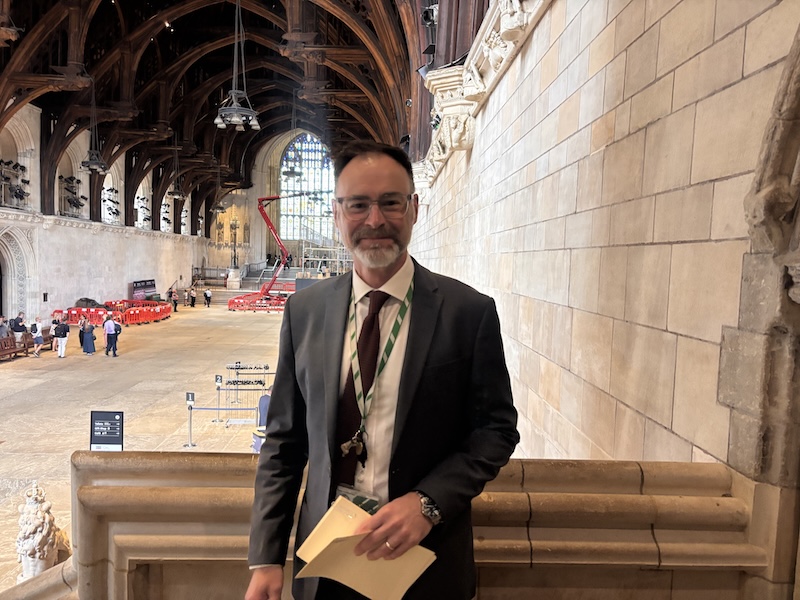

Richard Quigley, MP for Isle of Wight West, led a Westminster Hall debate on 14 July on isolation and hidden deprivation in coastal communities, using the Isle of Wight as a key example of the challenges faced across the UK.
He secured the debate after raising concerns that successive governments have not fully recognised deprivation in coastal areas, including the Island, through funding formulas and policy decisions. He argued that places like the Isle of Wight face specific pressures that are not always reflected in national measures of need.
Opening the debate, Mr Quigley said that communities such as his “often feel isolated not just from funding and opportunity, but from the national conversation,” adding that the Island’s challenges rarely make headlines but remain significant for residents.
He outlined issues commonly faced by coastal and island communities: limited transport connectivity, an ageing population, pressure on health and social care, lower average wages and barriers to economic growth. He highlighted research from the University of Portsmouth showing that the Isle of Wight faces additional costs of around £23 million simply to match the position of a similar mainland authority.
Mr Quigley also warned that traditional measures of deprivation can overlook areas where hardship is spread across many neighbourhoods rather than concentrated, meaning some communities miss out on funding.
Responding for the Government, Minister for Devolution, Local Growth and Communities Nesil Caliskan MP said coastal areas are often seen as “postcards of national pride,” but behind that image face distinctive challenges including isolation, poorer connectivity and barriers to opportunity. She noted that the Isle of Wight reflects both the strengths and difficulties seen in many coastal communities.
The Minister also commented on the cost of ferry travel, saying she was “particularly shocked” by the prices and emphasised the importance of transport affordability for local economies. She referred to the Government’s Child Poverty Strategy, which will include new tools to help national and local bodies assess transport connectivity and affordability.
Mr Quigley welcomed contributions from MPs across parties, many of whom shared similar experiences from their own coastal or rural constituencies. He said this reinforced the need for a more targeted approach to funding and investment in communities that have been overlooked.
Concluding the debate, he said isolation and deprivation have “a human cost” — missed opportunities, delayed treatment, and support arriving too late. He argued that until funding and policy reflect this reality, communities like the Isle of Wight will continue to face barriers others do not.
Speaking after the debate Mr Quigley said he will continue pressing for recognition of the Island’s unique status and for funding formulas that better reflect its needs.
 Isle of Wight Observer
  Mal Butler