

 By Isle of Wight Observer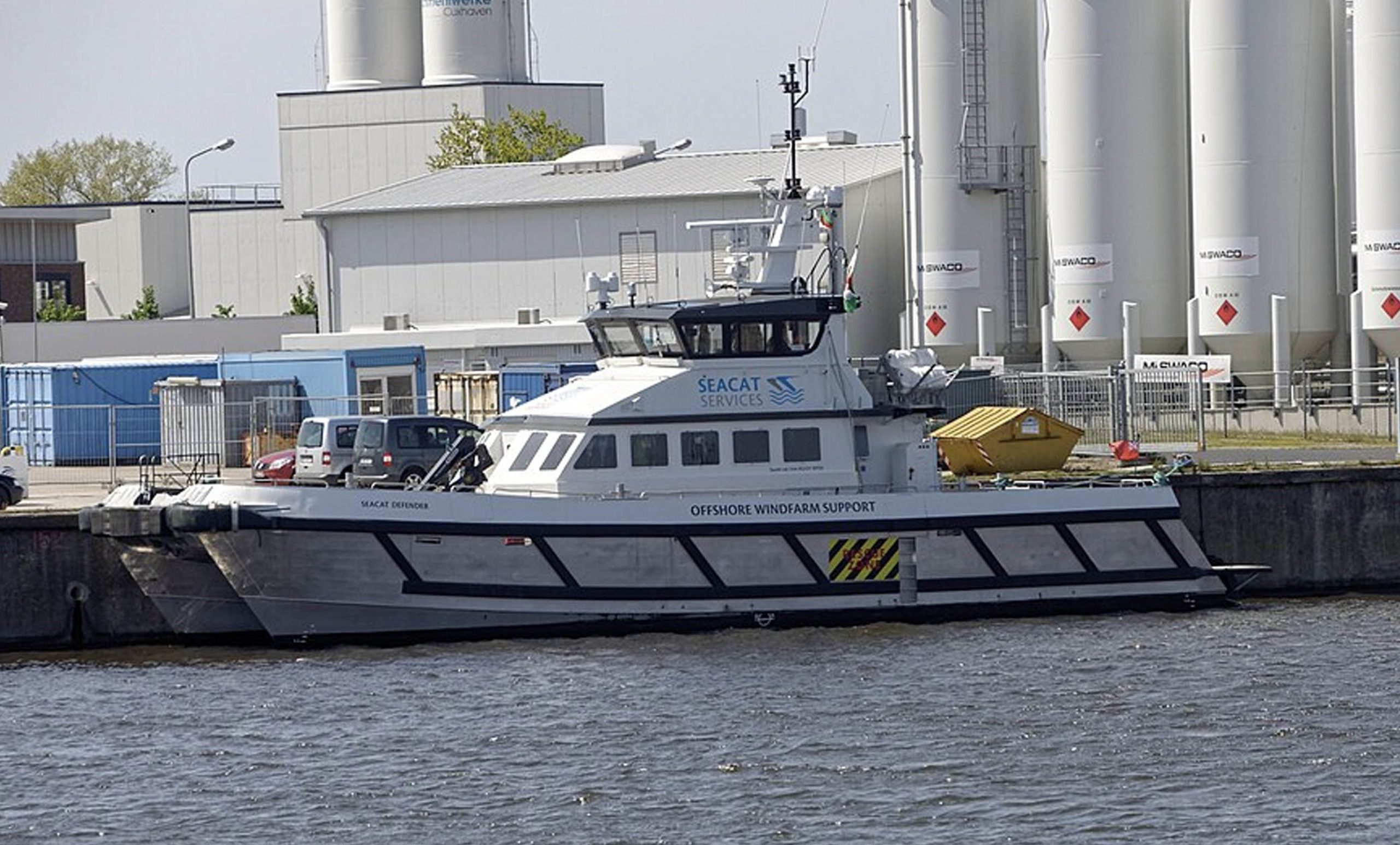

After volunteer Island lifeboat crews faced abuse for rescuing migrants south of the Isle of Wight, the IW Observer has discovered that it may not have been necessary for them to turn out at all – because an Island‑based company holds a government contract worth more than £30 million to provide high‑speed vessels for English Channel search, rescue, and interception operations.
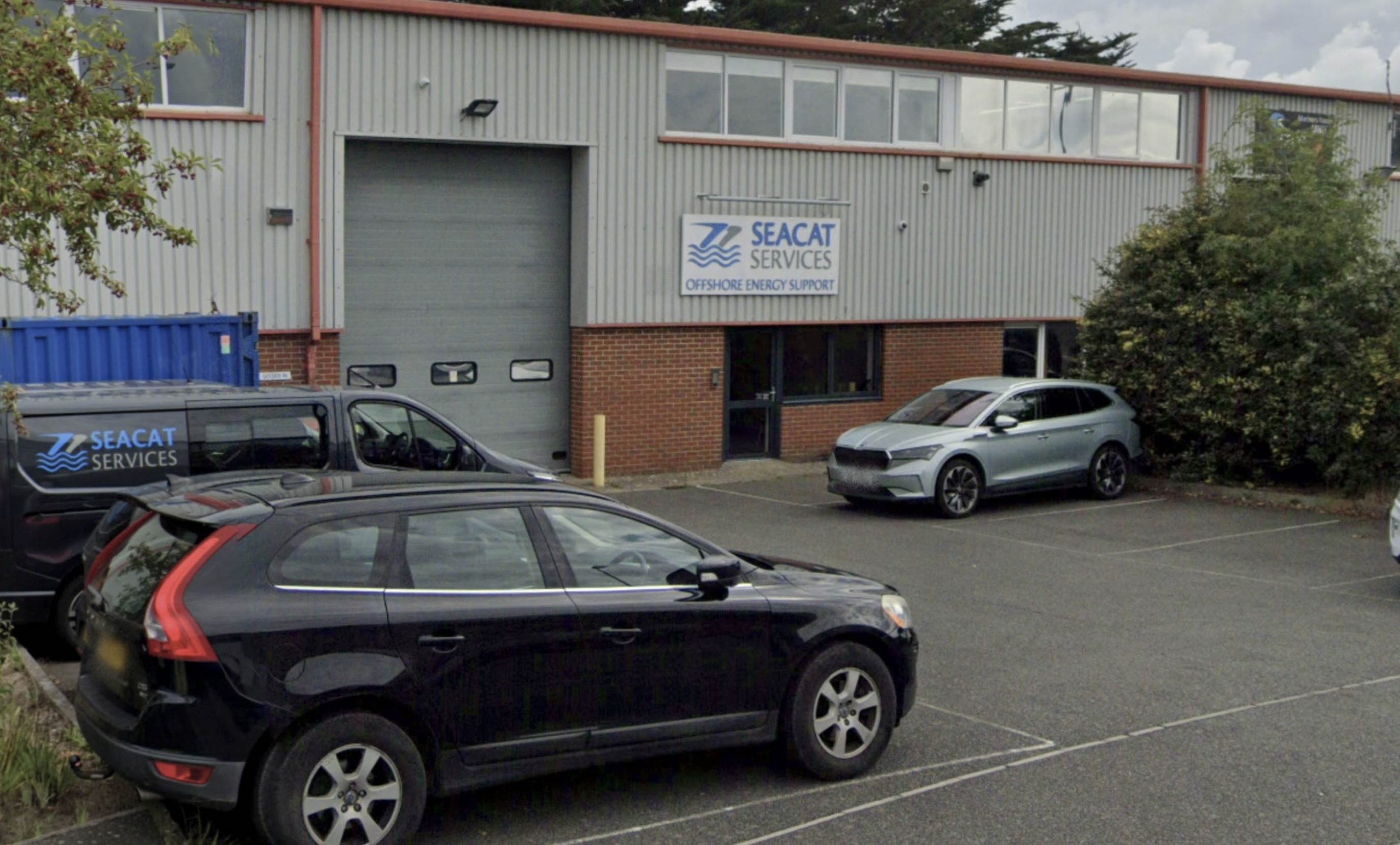
Cowes‑based Aeolian Offshore Ltd, a subsidiary created by Seacat Services, operates a fleet of seven specialist vessels under a central government agreement, valued at £30 1/5 million, for the “Charter of Vessels to Support Search, Rescue, and Recovery Activities”. The contract follows an earlier 2022, £2 million emergency trial, in which three Seacat catamarans were modified to carry more than 100 migrants on deck, and deployed as interception craft in Kent.
Under the current contract, five high‑speed aluminium catamarans – BSC Contender, BSC Enterprise, BSC Courageous, BSC Defender and BSC Intrepid – form the primary migrant‑rescue fleet. Reconfigured from offshore wind farm crew‑transfer vessels, they have strengthened deck structures, high‑grade safety fencing, dual‑engine propulsion and onboard medical equipment designed specifically for handling large groups of people in open water. Two further vessels, BSC Ranger and BSC Volunteer, are dedicated search and recovery craft, retrieving abandoned small boats, and clearing hazards from busy shipping lanes.
The official tax-payer funded Border Force rescue vessels were nowhere to be seen during Sunday’s incident, leaving volunteer RNLI crews – who rely on charitable donations – to carry out the rescue, and face the resulting backlash.
According to the BBC, French vessels shadowed the dinghy for ten hours after it left a remote Normandy beach in the early hours of Sunday morning. The Kent‑based vessels could have reached the Island in around six hours. Had one been called out when authorities were first made aware of the dinghy, there may have been no need to involve the RNLI at all.
The IW Observer has asked the Isle of Wight Council, which is involved in the multi‑agency debrief, whether any of the contracted rescue vessels were available or requested.
The situation exposes a stark reality: taxpayers are funding a multi‑million‑pound private fleet to manage migrant rescues, yet when gaps appear, brave and unpaid volunteers are sent out instead – and then subjected to abuse for doing the job others are paid for.
The IW Observer contacted both Seacat Services and Aeolian Offshore for comment. Despite being asked to email our queries, we received no reply before we went to press last night.

 Mal Butler