

 By Carole Dennett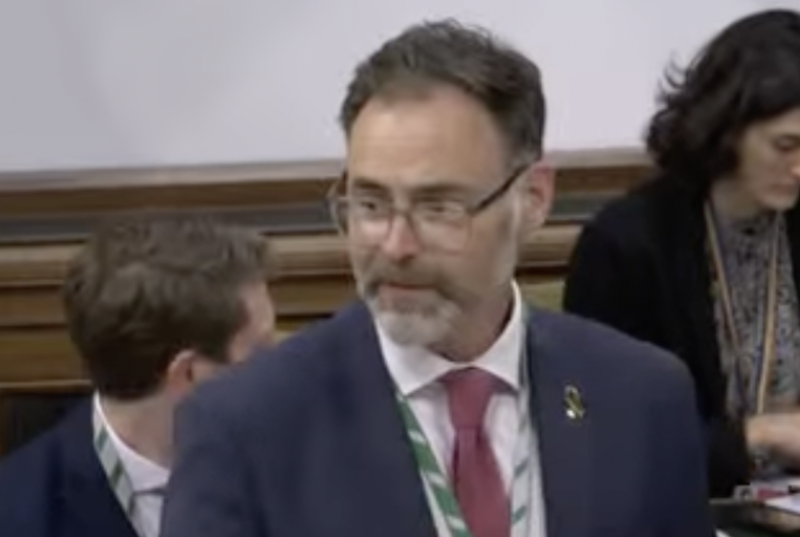

In the first debate he has called in Westminster Hall, IW West MP, Richard Quigley, delivered a deeply personal call for action on eating disorders – a subject he knows about not just as an MP, but as a father.
Speaking on Tuesday, Mr Quigley opened the debate on the prevention of deaths from eating disorders with moving honesty, recalling the fear of not knowing whether his own child would reach their 18th birthday. “Nothing can truly prepare anyone for the overwhelming sense of powerlessness,” he said, describing the pain of watching somebody you love battle an illness that they simply do not want to recover from.
Mr Quigley was not just seeking better services for those suffering from eating disorders – he called for accountability. He highlighted the lack of national data under-reporting of deaths, which he believes could be as high as 1,860 a year, and the many systemic failures that have allowed preventable tragedies to continue.
He called for early NHS intervention on eating disorders, a confidential inquiry into deaths, particularly from suicide, and urged the government to include eating disorders in the national suicide prevention strategy.
Recounting the story of 24-year-old Zara, who died after her family was left to cope alone with her deteriorating mental health: “She was exhausted and did not know any other way to keep going without support,” he explained.
Mr Quigley’s words were praised across party lines, drawing support from MPs who shared stories from their own constituents and experience.
The Minister for Care, Stephen Kinnock, responded to the debate, pointing out that as well as speaking “bravely and movingly about his family”, Mr Quigley has worked tirelessly to speak up for others suffering from eating disorders. He confirmed that NHS England is producing updated guidance for eating disorders in young people and the treatment available to them and their families. “It will focus on early identification and intervention, community treatment and support, and it will highlight the importance of integrating schools, colleges and primary care to improve support,” he added.