

 By Isle of Wight Observer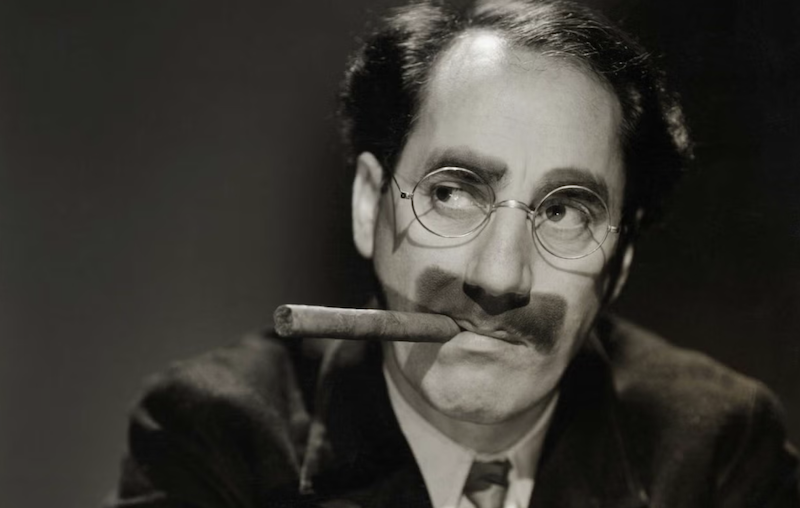

My late father had a line he adapted from Groucho Marx: “I’ve had a perfectly wonderful evening, but this wasn’t it,” to “I’ve had a great day, but this wasn’t it.” After the recent budget, and the farmers’ protests that followed, it’s hard to think of a phrase that sums up the national mood more accurately. If the Government thought rural Britain would quietly accept what was served up, they’ve badly misjudged the people who keep this country fed.
Let’s not sugar-coat this. The budget didn’t simply overlook farmers – it put a target on their backs. Wrapped in talk of fairness and responsible taxation, the inheritance tax proposals landed like a shovel to the ribs of communities already working on the margins. As David Gunn, an arable farmer from near Sevenoaks, said: “Inheritance tax is going to cripple the farmers, the small family farmers.”
From Westminster, farmland looks like attractive real estate. For those who own and work it, it’s an exhausting, precarious way of life that doesn’t allow for sick days, bank holidays, or political spin. You can’t harvest talking points; you can’t feed livestock with ministerial sound-bites.
I watched the London footage with equal parts admiration and frustration. Admiration because those tractors, trailers and battered 4x4s represented something noble: families pushing back against policies drafted by people who have never knelt in a field at 5am in February to help deliver a breech lamb. Frustration because the police response – banning tractors, creating barricades, arresting peaceful demonstrators – sent a clear message: “We hear you, but we’d prefer not to.”
Let’s be honest – tractors are not stealth weapons. They crawl, they clatter and they clog up traffic at the speed of an unmotivated tortoise.
But the real issue isn’t tractors. It’s the sheer tone-deafness of the moment. Farmers weren’t protesting for fun or headlines. They weren’t gluing themselves to buildings or throwing paint at statues. They were simply asking their government not to financially devastate their families.
And yet, they were treated as if they were a nuisance – an obstruction to business as usual. When arrests began, something didn’t sit right.
These weren’t agitators out to cause mayhem. These were people who got up at 4am, fed livestock before sunrise, and drove hundreds of miles to remind the Government that food doesn’t grow on supermarket shelves. Treat ordinary citizens as nuisances for asking to be heard, and resentment will take root.
Make no mistake: if these inheritance changes go through unamended, many small farms will not survive the next generation. They will be carved up, sold off, or swallowed by corporations who view agriculture as another portfolio category. And once that happens, you don’t get those farms – or the communities around them – back.
What frustrates me most, speaking not just as a solicitor but as someone who listens to people with real problems, is how preventable this is.
If ministers spent even a single day shadowing a farming family – not for a photo op, but genuinely – they’d understand how absurd their assumptions are. No farmer looks at their barn and sees “wealth.” They see repairs they can’t afford, a roof battered by storms, and a building one emergency away from collapse.
And yet, there it is on paper – valued as if it were a penthouse.
What matters now is whether the Government listens. Not nods politely, but actually listens – revises, negotiates, compromises.
Of course, the budget wasn’t wall-to-wall bad news. But it certainly wasn’t the great day the Government hoped we’d applaud. For rural communities watching the tax announcements roll in, it felt more like being handed the receipt after a meal you didn’t order.
As farmer Groucho might have said, “It was a great budget – but this wasn’t it.”